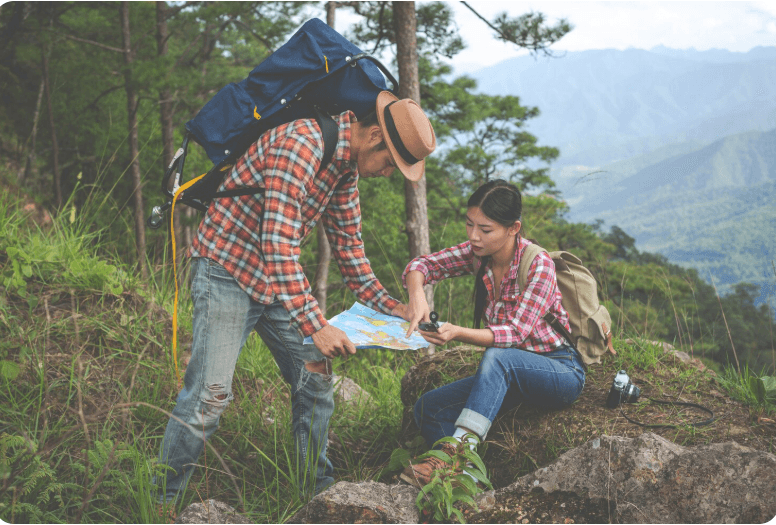
How to Plan the Perfect Camping With Hiking Weekend
Planning the ideal camping with hiking weekend creates the perfect balance between outdoor adventure, relaxation, and exploration. Whether heading into mountain trails, forest reserves, coastal routes, or national parks, combining camping and hiking allows us to disconnect from daily routines and fully experience nature. A successful weekend adventure requires strategic preparation, the right equipment, route planning, and smart campsite choices.
This guide covers everything needed to organize the ultimate camping and hiking experience from start to finish.
Choose the Right Camping and Hiking Destination
Selecting the destination determines the entire experience. The location should match hiking abilities, camping preferences, and available time.
When selecting a site, consider:
Trail Difficulty Levels
Different trails offer unique experiences:
Beginner Trails
Perfect for families and casual hikers. These usually include:
Flat terrain
Clearly marked paths
Short hiking distances
Easy access campsites
Moderate Trails
Suitable for experienced outdoor enthusiasts:
Elevation changes
Longer walking distances
Mixed terrain
Remote camping areas
Advanced Hiking Routes
Best for seasoned adventurers:
Steep ascents
Multi terrain paths
Longer distances
Wilderness camping
Landscape Preferences
Popular camping with hiking locations include:
Mountain ranges
National parks
Forest trails
River valleys
Coastal hiking routes
Alpine regions
Choose a landscape that aligns with the desired outdoor experience.
Plan the Hiking Route Before Departure
Route planning prevents unexpected challenges and helps maximize the weekend.
Before leaving, identify:
Trail Length
Estimate:
Total distance
Hiking hours
Elevation gain
Rest points
Water access locations
Short weekend trips generally work best with trails ranging between 5 to 15 kilometers daily.
Trail Conditions
Review:
Terrain type
Seasonal closures
Weather impacts
Wildlife activity
Accessibility
Download offline maps because network coverage may disappear in remote areas.
Create a Flexible Itinerary
Example camping with hiking schedule:
Friday Evening
Arrive at campsite
Set up camp
Prepare dinner
Organize hiking gear
Saturday
Morning hike
Midday rest
Explore nearby viewpoints
Evening campfire activities
Sunday
Short sunrise hike
Breakfast
Pack equipment
Return journey
This structure balances adventure and recovery.
Pack Essential Camping Gear
Camping comfort depends heavily on proper equipment.
Shelter Equipment Checklist
Bring:
Tent
Choose a weather-resistant tent with adequate capacity.
Sleeping Bag
Select according to temperature ratings.
Sleeping Pad
Improves comfort and insulation.
Groundsheet
Protects the tent base.
Camping Pillow
Supports better sleep quality outdoors.
Camp Cooking Equipment
Food preparation essentials include:
Portable stove
Fuel canisters
Cooking pots
Reusable utensils
Water bottles
Cooler bag
Food containers
Lightweight equipment improves portability during hiking sections.
Prepare Proper Hiking Equipment
Hiking gear directly affects comfort and safety.
Footwear Matters Most
Quality hiking boots should provide:
Ankle support
Grip traction
Water resistance
Breathability
Always break boots in before the trip to avoid blisters.
Clothing Layers for Outdoor Comfort
Follow the layering principle.
Base Layer
Moisture-wicking fabric keeps skin dry.
Middle Layer
Insulating materials maintain warmth.
Outer Layer
Waterproof protection shields against the weather.
Additional items:
Hiking socks
Gloves
Hat
Sunglasses
Rain jacket
Weather conditions can change rapidly during outdoor adventures.
Plan Meals for Energy and Convenience
Food planning improves both hiking performance and campsite comfort.
Breakfast Options
High energy choices:
Oatmeal
Granola
Fruit
Eggs
Trail mix
Trail Snacks
Carry lightweight foods such as:
Nuts
Energy bars
Dried fruit
Peanut butter packets
Jerky
Camping Dinner Ideas
Easy campsite meals include:
One Pot Pasta
Minimal cleanup and high energy.
Grilled Vegetables
Light yet satisfying.
Foil Packet Meals
Easy preparation over campfires.
Soup and Bread
Perfect during colder evenings.
Hydration remains essential throughout the weekend.
Carry extra water and filtration systems if hiking in remote areas.
Check Weather Conditions in Advance
Weather significantly influences camping and hiking experiences.
Monitor:
Temperature ranges
Rain probability
Wind speed
Storm warnings
Sunrise and sunset times
Pack for changing conditions even if forecasts appear favorable.
Outdoor weather can shift quickly.
Select the Best Campsite Setup
A properly positioned campsite improves safety and comfort.
Choose locations:
Away from flood zones
Near water access
On level ground
Protected from strong winds
Close to hiking entry points
Avoid setting camp directly beneath unstable trees or cliffs.
Efficient Camp Layout
Arrange:
Sleeping area on flat ground
Cooking zone away from tent
Storage area for equipment
Separate waste section
Maintaining an organized camp simplifies the weekend.
Prioritize Safety During Camping With Hiking Trips
Safety preparation should never be overlooked.
Essential safety gear includes:
First aid kit
Flashlight
Headlamp
Power bank
Compass
Map
Emergency whistle
Multi tool
Fire starter
Wildlife Awareness
Research local wildlife before traveling.
Important practices:
Store food securely
Keep campsite clean
Avoid feeding animals
Follow local park guidelines
Respect wildlife habitats.
Practice Leave No Trace Camping
Protecting nature ensures future adventures remain enjoyable.
Follow these principles:
Dispose of Waste Properly
Carry all rubbish out.
Never leave:
Food scraps
Plastic
Packaging
Bottles
Respect Natural Spaces
Stay on marked trails.
Avoid damaging vegetation.
Keep campfires within designated areas.
Minimize Environmental Impact
Use reusable products and biodegradable items whenever possible.
Responsible outdoor travel preserves ecosystems.
Capture the Experience Without Missing the Moment
Camping with hiking creates unforgettable memories.
Bring:
Camera
Action camera
Portable charger
Notebook
Binoculars
Capture:
Sunrise hikes
Mountain views
Campfire evenings
Wildlife sightings
Forest trails
Balance photography with enjoying the environment.
Create Memorable Campsite Activities
The adventure does not end after hiking.
Evening campsite activities enhance the weekend.
Ideas include:
Campfire Cooking Sessions
Prepare meals together and enjoy outdoor dining.
Stargazing
Remote campsites often offer exceptional night skies.
Bring star maps or astronomy apps.
Storytelling and Games
Activities:
Card games
Group discussions
Travel journals
Acoustic music
These experiences strengthen outdoor memories.
Weekend Packing Checklist for Camping With Hiking
Camping Essentials
✔ Tent
✔ Sleeping bag
✔ Ground mat
✔ Camping chair
✔ Lantern
Hiking Essentials
✔ Hiking boots
✔ Backpack
✔ Trekking poles
✔ Trail maps
✔ Water bottles
Safety Gear
✔ First aid kit
✔ Flashlight
✔ Emergency tools
Food Supplies
✔ Snacks
✔ Cooking gear
✔ Water purification system
Personal Items
✔ Sunscreen
✔ Toiletries
✔ Extra clothing
✔ Camera
A detailed checklist reduces forgotten items.
Make Every Camping With Hiking Weekend an Adventure
The perfect camping with hiking weekend combines thoughtful preparation, quality equipment, efficient route planning, and respect for nature. Choosing the right destination, preparing gear properly, organizing meals, and prioritizing safety transforms a simple outdoor trip into an unforgettable experience.
Every trail explored, campsite built, and sunrise witnessed becomes part of the adventure. With the right planning, each camping and hiking weekend offers the opportunity to reconnect with nature while creating lasting memories.
Conclusion
A well planned camping with hiking trip delivers the ideal outdoor escape filled with adventure, relaxation, and discovery. From selecting scenic trails and packing essential gear to setting up camp efficiently and practicing responsible travel, every detail contributes to a rewarding experience. Proper preparation ensures comfort, safety, and the freedom to enjoy nature at its best while making every weekend getaway memorable and fulfilling.
Appreciate the creator